Biotransformation (PLM) or Oxo-Degradation? The Full Truth About “Eco-Friendly” Packaging
The demand for “eco-friendly packaging” is the biggest trend in the polymer industry today. However, in Georgia — as well as globally — there is massive confusion between two fundamentally different technologies: old-fashioned oxo-degradation and modern biotransformation (PLM). One of them is banned in the European Union because it creates microplastics; the other is a scientific breakthrough that eliminates them entirely.
As a supplier of advanced masterbatches, our mission is to provide clarity. In this guide, we explain in detail how each technology works, why oxo-degradation harms your brand, and why biotransformation is the only safe standard for the future.
What Is Oxo-Degradation and Why Is It Banned in the EU?
Oxo-degradable additives are a technology of the past. This method uses masterbatches containing metal salts such as cobalt or manganese. These salts are added to standard polyethylene (PE) or polypropylene (PP).
Under heat or UV exposure, these metal salts act as catalysts that break the long polymer chains. The plastic becomes brittle and disintegrates into tiny, invisible fragments. For years this was falsely marketed as “degradation”.
The Main Problem: Oxo-Degradation Is a Microplastic Factory
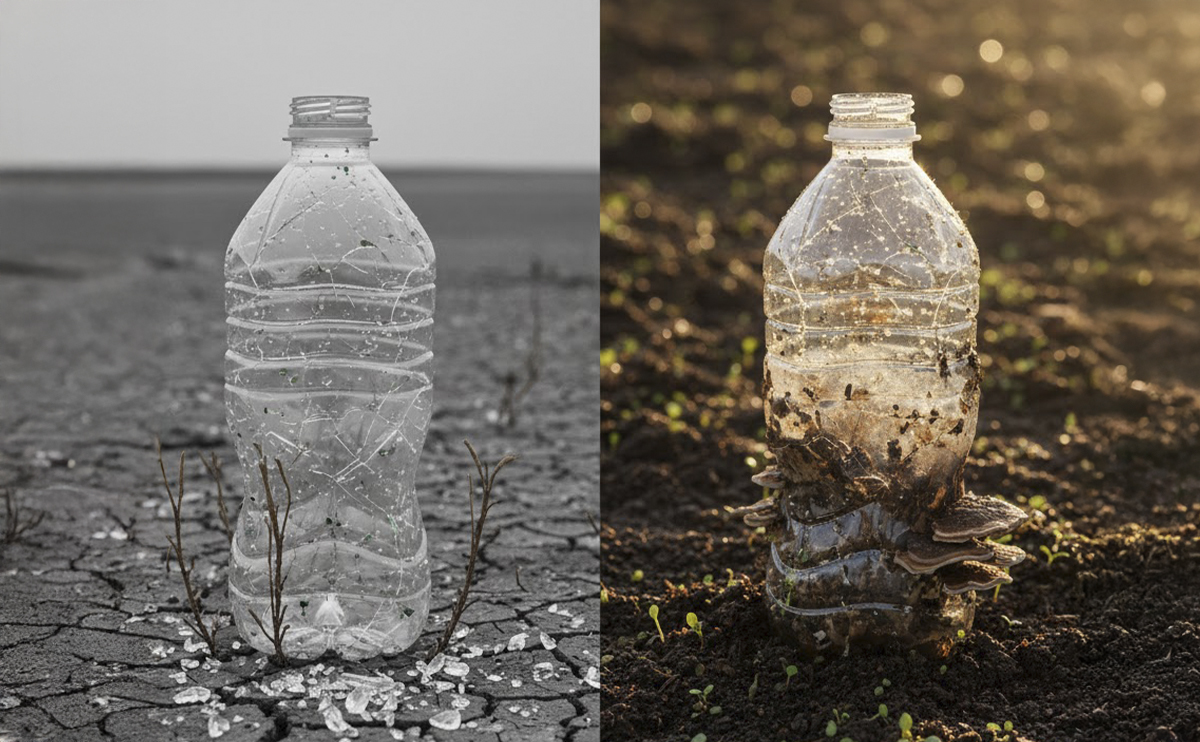
The core issue is simple: the polymer does not disappear. It merely fragmentizes. Oxo-degradation does not convert plastic into something biodegradable — it only accelerates the conversion of one large bag into billions of microplastic particles.
These particles enter soil, water and the food chain, causing significant environmental damage. After conducting large-scale research, the European Union issued Directive (EU) 2019/904, which bans oxo-degradable plastics from 2021 onward, recognizing them as misleading and harmful to the environment.
Our Solutions: Biotransformation Masterbatches (PLM)

What Is Biotransformation (PLM) — the Future Standard?
Biotransformation is a technology supplied in partnership with Polymateria (PLM). It is a fundamentally different, science-based approach that fully solves the problem of microplastics.
When PLM masterbatch is added to standard PE or PP, it works as a programmed “self-destruction system” for plastic. It has a predefined service life — for example, 2 years — during which your packaging behaves exactly like normal plastic.
How Does the PLM Technology Work?
The process occurs in two stages — only if the packaging ends up in the environment:
- Stage 1: Transformation. After the programmed life, under light, air and moisture, the masterbatch chemically modifies the polymer structure. It converts inert, non-biodegradable plastic into a wax-like, biologically accessible biomass.
- Stage 2: Bio-consumption. This biomass becomes “food” for natural bacteria and fungi in soil. Microorganisms fully consume it, leaving behind only water, CO₂ and biomass.
The key difference: PLM does not create microplastics. It completely restructures the polymer on a chemical level, making it part of a natural biological cycle. The technology is certified under the international standard BSI PAS 9017, proving full degradation without environmental harm.
Why This Matters for Your B2B Business in Georgia
Using outdated oxo-additives poses a direct risk to your brand reputation. Consumers and regulators are becoming increasingly informed. Switching to PLM biotransformation is not a trend — it is an investment in long-term trust.
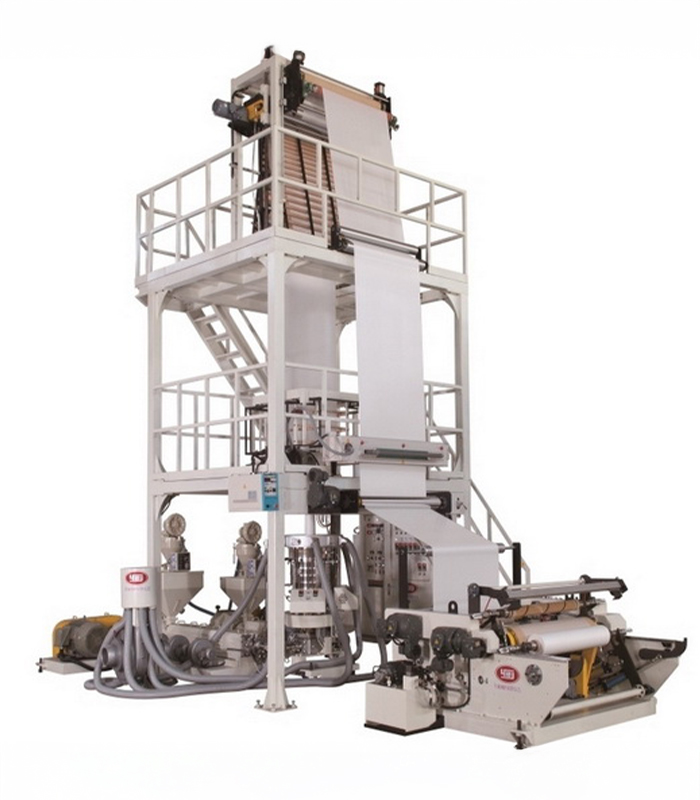
As your masterbatch supplier in Georgia, Caucasus Polymer Group provides not only the PLM product but also complete technical support. We help integrate the biomasterbatch into your extrusion or injection lines, select the correct LDR, and provide all official documentation proving safety and effectiveness.
Ready to switch to a safer standard? Contact us for a formulation audit and to receive PLM sample materials.